What if your child isn’t struggling… but the system is?
ADHD, autism, learning differences — what if these are not problems, but untapped strengths?
 YouTube
 Spotify
 Apple
Apple
 Amazon
About This Episode
Are we trying to fix children… instead of understanding them?
In this powerful episode of The Attitude of Gratitude, host Sadhna Rishi sits down with Louise Dawson, an inclusion specialist, to explore a new perspective on neurodiversity, ADHD, and autism in children.
This conversation challenges a deeply rooted belief:
👉 The problem is not always the child — it’s often the environment.
Louise shares her personal journey of being diagnosed with ADHD and autism at the age of 50, after raising three neurodiverse children — offering a rare combination of professional expertise and lived experience.
This episode reframes neurodiversity as a difference, not a disorder — and focuses on helping children thrive by removing barriers instead of forcing conformity.
She opens up about:
- Why traditional education systems fail many children
- How to recognize and support neurodiverse traits early
- The importance of creating flexible, supportive environments
What You'll Take Away
- What ADHD and neurodiversity actually mean
- Why environment plays a bigger role than ability
- How to identify early signs in children
- The importance of nurturing strengths instead of fixing weaknesses
- How technology can support learning differences
- Why resilience and independence matter more than perfection
- How to help children feel accepted, not judged
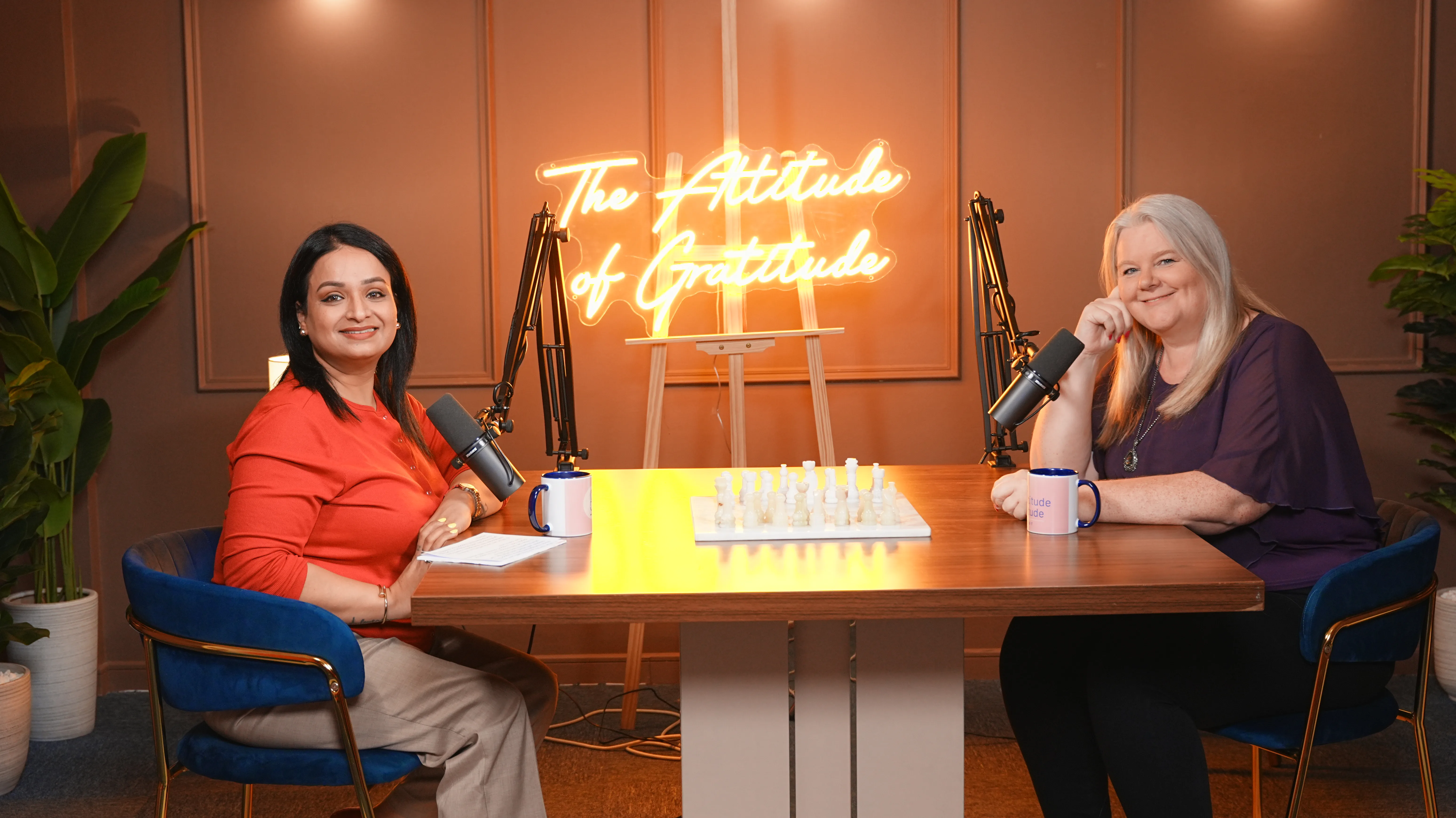
Featured Guest
Louise Dawson
Inclusion Specialist | Neurodiversity Advocate
Louise Dawson is an inclusion specialist dedicated to supporting children with ADHD, autism, and other neurodiverse conditions.
With both personal and professional experience, she works closely with schools, families, and communities to create environments where children can thrive without being forced to fit into rigid systems.
Her approach focuses on acceptance, adaptation, and empowerment — helping children discover their strengths and build confidence.
👉 The child is not the problem — the environment is.
Subscribe
Get new conversations straight to your inbox
One email per week. Just the episode, the guest, and the insights that matter.