Why do we hurt the people we care about… without realizing it?
It’s not what you say — it’s the patterns, triggers, and emotions behind it that shape every conversation.
 YouTube
 Spotify
 Apple
Apple
 Amazon
About This Episode
What if your communication problems aren’t about words… but patterns?
In this episode, we sit down with Maher, who brings powerful insights from Neuro-Linguistic Programming (NLP) to help you understand how communication truly works.
Most of us were never taught how to communicate consciously —
and as a result, we react based on past experiences, emotional triggers, and unconscious conditioning.
This conversation breaks down how your mind processes emotions, how triggers are formed, and how small mindset shifts can completely transform the way you relate to others.
This is not just about communication…
it’s about self-awareness and emotional mastery.
He opens up about:
- Why misunderstandings happen even with good intentions
- How emotional triggers silently control reactions
- What it takes to communicate without fear, anger, or judgment
What You'll Take Away
- How unconscious patterns affect your communication
- Why emotions often overpower logic in relationships
- How to handle anger, fear, and overwhelm effectively
- The real reason behind fear of judgment
- How to stop carrying office stress into personal life
- Practical NLP techniques to shift emotional states instantly
Featured Guest
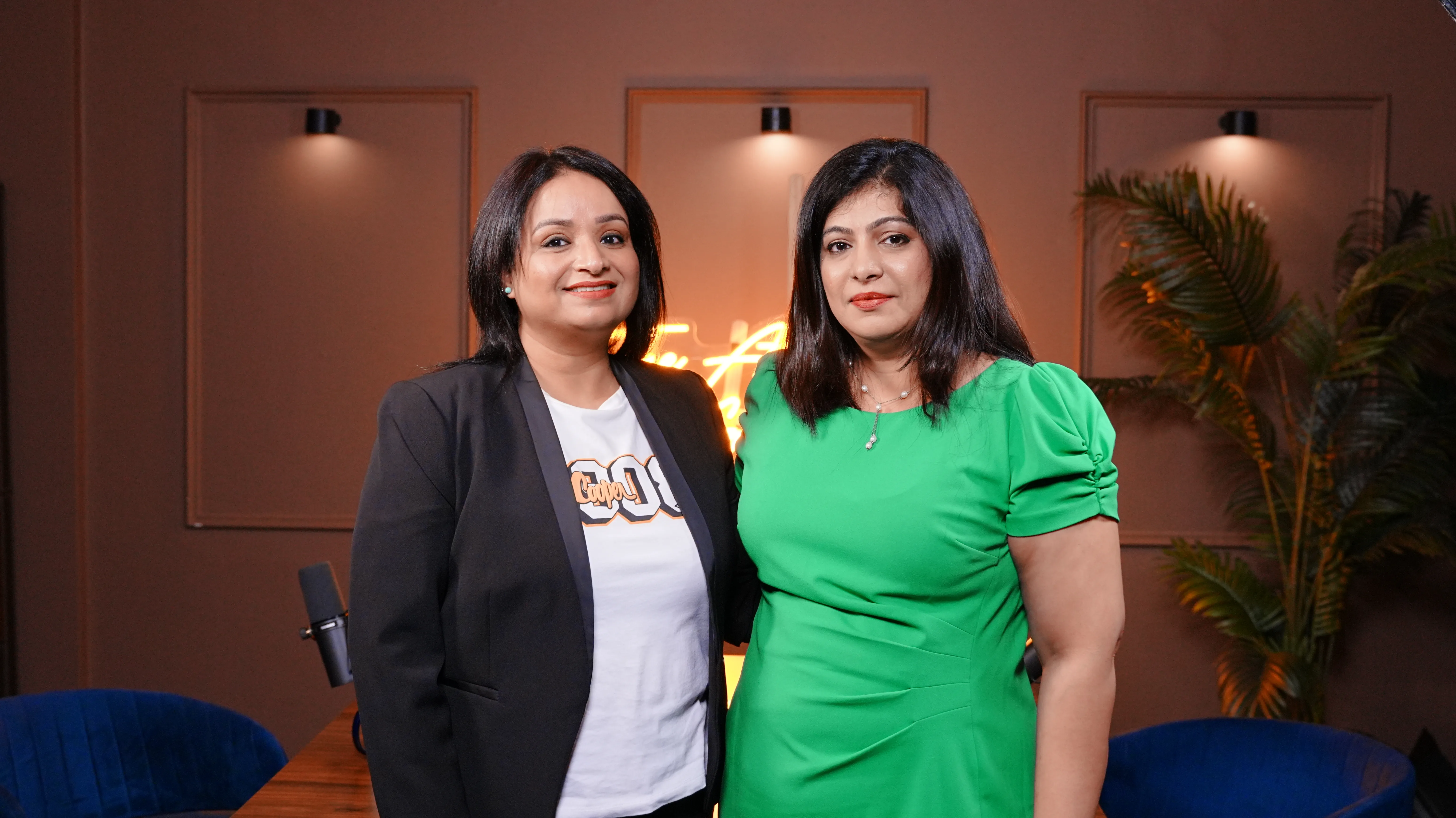
Meher Rupa
NLP Practitioner | Mindset & Communication Coach
Maher is a practitioner of Neuro-Linguistic Programming (NLP), helping individuals understand their emotional patterns, communication styles, and subconscious behaviors.
Through his work, he guides people to break limiting patterns, improve relationships, and build stronger emotional awareness.
His approach combines psychology, mindset training, and practical tools that create real, lasting change.
👉 You don’t react to people… you react to your patterns.
Subscribe
Get new conversations straight to your inbox
One email per week. Just the episode, the guest, and the insights that matter.